Cabinets can transform the look of any room. Cabinet Refinishing Modesto them breathes new life into old furniture. Instead of replacing, you can update with style and efficiency. This approach saves both money and resources.
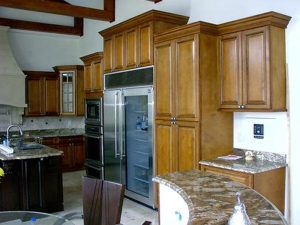
Surface preparation is the foundation of quality refinishing. Sanding removes imperfections and old finishes. Proper cleaning ensures adhesion of new coatings. Skipping these steps compromises the final result.
Choosing the right finish is crucial. Matte, satin, and glossy options affect the overall feel of a room. Each finish interacts differently with lighting. The choice should complement your existing decor.
Color selection can redefine a space. Light tones create openness, while dark shades add depth. Contrasting hues make cabinets stand out. Coordinating with walls and countertops is essential.
Eco-friendly finishes are gaining popularity. Low-VOC stains and paints protect indoor air quality. Environmentally conscious options also reduce chemical exposure. Safety and sustainability go hand in hand.
Techniques vary based on cabinet material. Wood, laminate, and MDF respond differently to refinishing. Understanding material properties ensures durability. Using the wrong method can cause peeling or cracking.
Priming is often overlooked but critical. It improves adhesion and prevents blotchiness. Primers also enhance color vibrancy. Skipping primer may lead to uneven tones over time.
Spray application offers professional results. It provides even coverage and smooth surfaces. Brushes can leave streaks if not used carefully. Spray techniques often reduce labor time significantly.
Hand sanding adds precision in detailed areas. Corners, edges, and grooves require careful attention. It ensures a uniform surface for finishing. This step often differentiates amateur work from professional results.
Cabinet doors can be refinished separately. Removing them allows better access and reduces accidental smudges. Hinges and hardware should be protected during sanding and painting. Small details impact the overall presentation.
Hardware replacement complements refinishing. New handles, knobs, and pulls modernize cabinets instantly. Matching hardware to the finish creates a cohesive look. Even subtle updates make a noticeable difference.
Cleaning products matter during refinishing. Residues can prevent proper adhesion. Using the wrong solvent may damage surfaces. Always select cleaners compatible with the chosen finish.
Layering enhances durability. Multiple coats of stain or paint protect cabinets from daily wear. Proper drying time between layers prevents cracking. Patience ensures a longer-lasting finish.
Detailing preserves character. Decorative moldings and carved features can be highlighted. Refinishing should enhance, not hide, original craftsmanship. Thoughtful attention to detail elevates the aesthetic.
Cabinet refinishing boosts property value. Updated cabinets appeal to potential buyers. Refurbishing is cost-effective compared to full replacement. It improves both functionality and visual appeal.
Lighting interacts with cabinet finishes. Glossy surfaces reflect more light, brightening a room. Matte finishes create a subtle, elegant ambiance. Considering lighting helps achieve the desired effect.
Protective coatings extend lifespan. Polyurethane or lacquer adds resistance to moisture and scratches. Long-term maintenance becomes easier. Proper protection preserves the refinished look for years.
Custom finishes allow personalization. Stains, paints, or glazes can match unique design visions. Layered or distressed effects add character. Tailored approaches make refinishing a creative endeavor.
Prep work includes removing old caulk and filling gaps. Small imperfections can be distracting if left untreated. Wood filler or putty smooths surfaces before finishing. Precision in preparation guarantees professional results.
Ventilation ensures safety. Many finishes release fumes that can irritate the eyes or lungs. Open windows and fans reduce exposure. Protecting health is as important as aesthetics.
Cabinet interiors can also be refinished. Painted interiors brighten storage spaces. Coated interiors resist spills and wear. Complete refinishing elevates both function and appearance.
Timing affects outcome. Temperature and humidity influence drying and curing. Following manufacturer guidelines prevents uneven finishes. Environmental awareness ensures long-lasting results.
Sanding between coats improves smoothness. Light sanding removes dust and minor imperfections. This step prevents rough textures and streaks. Consistent attention enhances the overall quality.
Blending techniques create seamless transitions. Edges, corners, and joints should match surrounding surfaces. Skilled blending prevents harsh lines. This attention to detail gives cabinets a professional look.
Cabinet refinishing is often faster than full replacement. It minimizes demolition, mess, and waste. Projects can be completed in days instead of weeks. Speed combined with quality makes refinishing appealing.
DIY approaches save costs but require skill. Inexperience can lead to uneven finishes or damage. Professionals bring expertise and proper tools. Weighing cost against quality is essential for best results.
Finishing trims and accents adds polish. Crown molding or base trim should complement cabinet surfaces. Cohesive detailing enhances room aesthetics. Refinishing extends beyond flat surfaces to overall design.
Stains reveal natural wood grain. Highlighting textures adds depth and warmth. Techniques like wiping or brushing influence final appearance. Grain awareness ensures visually appealing results.
Glazes create antique or layered effects. Subtle color washes add dimension. They can soften harsh tones or highlight details. Glazing techniques elevate cabinets beyond basic refinishing.
Cabinet layout impacts refinishing strategy. Corner units and deep drawers need tailored approaches. Accessibility and visibility must guide method selection. Strategic planning simplifies the process.
Storage optimization complements refinishing. Updated interiors can include organizers, pull-outs, or shelves. Functional improvements enhance usability. Combining aesthetics and practicality maximizes cabinet value.
Color trends change over time. Neutral tones remain versatile, while bold shades make statements. Understanding trends helps create lasting appeal. Timeless palettes increase long-term satisfaction.
Cabinet refinishing reduces environmental impact. Reusing existing materials minimizes landfill waste. Sustainable projects benefit both home and planet. Eco-conscious refinishing aligns style with responsibility.
Surface textures vary by technique. Smooth, distressed, or brushed finishes offer different effects. Selecting the right texture enhances design intention. Texture contributes to both style and function.
Protective waxing or oiling can finish natural wood. Oils penetrate surfaces and maintain natural beauty. Waxes add subtle shine and protection. Proper finishing methods enhance longevity and appearance.
Budget planning ensures a smooth project. Costs include materials, tools, and labor if outsourced. Proper allocation avoids compromises on quality. Planning prevents unexpected expenses or delays.
Refinishing can unify mismatched cabinetry. Previously clashing units can appear cohesive. Color and finish harmonization transforms visual flow. This strategy refreshes entire spaces without replacement.
Cabinet refinishing also improves cleaning efficiency. Smooth surfaces reduce dirt and grease accumulation. Durable finishes withstand regular scrubbing. Maintenance becomes easier and more effective.
Lighting fixtures complement refinished cabinets. Pendant lights, under-cabinet lighting, and ambient options enhance finishes. Strategic lighting showcases refinished surfaces. Proper illumination highlights craftsmanship.
Maintenance tips extend lifespan. Regular dusting, gentle cleaning, and avoiding harsh chemicals preserve finishes. Small habits prevent premature wear. Longevity reinforces the value of refinishing.
Cabinet refinishing is accessible for many budgets. Cost-effective alternatives reduce renovation expenses. Choosing refinishing over replacement stretches resources. Homeowners gain a refreshed space without overspending.
Color matching ensures continuity. Adjacent furniture and wall tones should coordinate. Harmonized spaces feel intentional and cohesive. Proper color selection avoids visual discord.
DIY mistakes often include skipping prep work. Incomplete sanding or cleaning affects adhesion. Uneven finishes can appear patchy. Patience and technique are critical for success.
Ventilation and safety gear protect health. Masks, gloves, and fans reduce exposure to dust and fumes. Safety should never be overlooked. Proper precautions support both work quality and well-being.
Professional refinishing offers consistent results. Expertise ensures smooth, durable, and aesthetically pleasing surfaces. Experience reduces errors and saves time. Quality craftsmanship elevates the value of refinished cabinets.
Refinishing is adaptable to different styles. Modern, rustic, and traditional aesthetics can all benefit. Customized approaches meet design preferences. Flexibility allows homeowners to achieve their vision.
Cabinet refinishing is a sustainable, stylish, and cost-effective solution. It preserves material, enhances beauty, and improves functionality. With careful planning and attention to detail, spaces are transformed. Professional techniques ensure lasting and impressive results.