Air Duct Cleaning Utah is a crucial component of any home’s heating, ventilation, and air conditioning (HVAC) system. They serve as the primary channels through which air circulates, delivering warmth or cooling throughout living spaces. Over time, however, these ducts can accumulate dust, dirt, allergens, and other debris. While most homeowners may not think about their air ducts regularly, maintaining them is essential for indoor air quality, system efficiency, and overall comfort. Recognizing the signs that your home needs air duct cleaning and understanding the process can help prevent potential health issues and maintain your HVAC system’s longevity.
One of the most noticeable signs that your air ducts require cleaning is the presence of excessive dust in your home. Even with regular vacuuming and dusting, a significant accumulation of dust on furniture, window sills, and floors may indicate that airborne particles are circulating through the ducts. Dust often carries allergens such as pollen, pet dander, and mold spores, which can exacerbate respiratory issues and trigger allergies. Regular air duct cleaning removes this buildup, ensuring that the air circulating in your home is cleaner and healthier.
Another key indicator is the presence of unpleasant odors emanating from vents. Musty, stale, or chemical-like smells may suggest that mold, mildew, or bacteria are growing within the ductwork. Moisture from leaks or high humidity levels can create ideal conditions for microbial growth inside air ducts. Left untreated, these contaminants can compromise indoor air quality and contribute to respiratory issues or unpleasant odors that linger throughout the home. Professional cleaning and sanitization effectively address these problems and restore fresh airflow.
Visible mold growth around vents or inside the HVAC system is an urgent warning sign. Mold can spread quickly through ductwork, contaminating multiple rooms. Exposure to mold spores can trigger allergy symptoms, coughing, sneezing, or even more serious respiratory complications in vulnerable individuals. Air duct cleaning involves the careful removal of mold and the application of antimicrobial treatments to prevent regrowth, creating a safer living environment.
Allergy or asthma flare-ups can also indicate that your air ducts are overdue for cleaning. If family members experience frequent sneezing, congestion, itchy eyes, or difficulty breathing, airborne particles circulating from unclean ducts could be the culprit. Even in homes with routine dusting and vacuuming, HVAC systems can redistribute contaminants if the ducts are dirty. Professional cleaning reduces the concentration of these particles, helping to alleviate symptoms and improve overall indoor air quality.
Another practical sign is inconsistent airflow or decreased efficiency in heating and cooling systems. Accumulated debris can obstruct airflow, forcing the HVAC system to work harder to maintain desired temperatures. This can result in higher energy bills, uneven heating or cooling, and premature wear on system components. Clean air ducts allow for smoother airflow, enhancing system performance and energy efficiency.
The frequency of air duct cleaning depends on factors such as household size, presence of pets, local environmental conditions, and system usage. In general, it is recommended that residential air ducts be inspected every two to five years, with cleaning performed as needed. Homes with multiple pets, allergy sufferers, or recent renovations may require more frequent attention, as construction dust, pet dander, and other contaminants can accumulate more quickly.
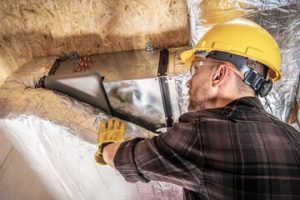
Understanding what to expect during a professional air duct cleaning helps homeowners prepare for the process. The procedure begins with a comprehensive inspection of the HVAC system and ductwork. Technicians use cameras or visual assessments to identify dust buildup, mold, or blockages. This step ensures that the cleaning is targeted and thorough, addressing the areas of concern without unnecessary disruption.
The next stage involves the removal of debris and dust from the ducts. High-powered vacuums and specialized brushes agitate and extract contaminants from interior surfaces. This process may also include the use of compressed air tools to dislodge stubborn particles. By systematically cleaning each duct section, technicians ensure that accumulated dirt, pet hair, and other debris are completely removed from the system.
Cleaning the components of the HVAC system, including coils, blowers, and registers, is another critical part of the process. These components often harbor dust and microbial growth, which can reduce system efficiency and contribute to indoor air pollution. Thorough cleaning of the entire system enhances airflow, restores performance, and reduces energy consumption.
Once debris removal is complete, many professional services apply antimicrobial treatments to the ducts. These treatments prevent mold, bacteria, and other microbial growth, reducing the risk of future contamination. In some cases, deodorizing agents may also be used to eliminate lingering odors, leaving the home smelling fresh and clean.
Homeowners should also anticipate some preparation before the cleaning process. Duct cleaning requires access to vents, registers, and sometimes the interior of the HVAC system. Furniture may need to be moved, and sensitive electronics should be protected from dust. Clear communication with the service provider ensures a smooth process and minimizes inconvenience.
While professional air duct cleaning is highly effective, it works best in conjunction with routine maintenance. Changing HVAC filters regularly, controlling indoor humidity, and maintaining general cleanliness in living areas help prolong the benefits of cleaning. Preventive measures reduce the accumulation of debris, ensuring that the system continues to operate efficiently and provide clean air.
The benefits of air duct cleaning extend beyond immediate aesthetics and comfort. Improved indoor air quality reduces exposure to allergens, dust, and potential pathogens. Enhanced airflow supports HVAC efficiency, lowering energy costs and reducing wear on the system. Additionally, maintaining clean ducts can extend the lifespan of the HVAC system, minimizing costly repairs or replacements over time.
Investing in professional air duct cleaning can also provide peace of mind. Homeowners can be confident that the air circulating in their living spaces is free of harmful particles and contaminants. This is particularly valuable for households with children, elderly occupants, or individuals with respiratory conditions. By addressing hidden pollutants, air duct cleaning contributes to a healthier, safer home environment.
In some cases, specialized circumstances may require additional attention. For example, homes in areas prone to wildfire smoke or heavy pollen may accumulate fine particulate matter in the ducts. Renovations or construction projects can introduce dust and debris into the HVAC system. Professional cleaning addresses these unique challenges, ensuring that your system delivers clean air even under demanding conditions.
Ultimately, knowing when and why to schedule air duct cleaning empowers homeowners to maintain a comfortable and healthy living environment. Recognizing warning signs—such as excessive dust, odors, visible mold, allergy flare-ups, and reduced HVAC efficiency—allows for timely intervention. Understanding the process, from inspection and debris removal to sanitization and deodorization, helps homeowners prepare and ensures the procedure is effective.
In conclusion, maintaining clean air ducts is a critical aspect of home care that impacts health, comfort, and system performance. Professional air duct cleaning removes accumulated dust, allergens, and microbial growth while improving airflow and energy efficiency. By recognizing the signs that cleaning is needed and understanding what to expect during the process, homeowners can make informed decisions that protect both their property and their well-being. Regular maintenance, combined with professional intervention when necessary, ensures a safe, comfortable, and healthy home for years to come.